Understanding EPR Compliance: New Guidelines for Manufacturers
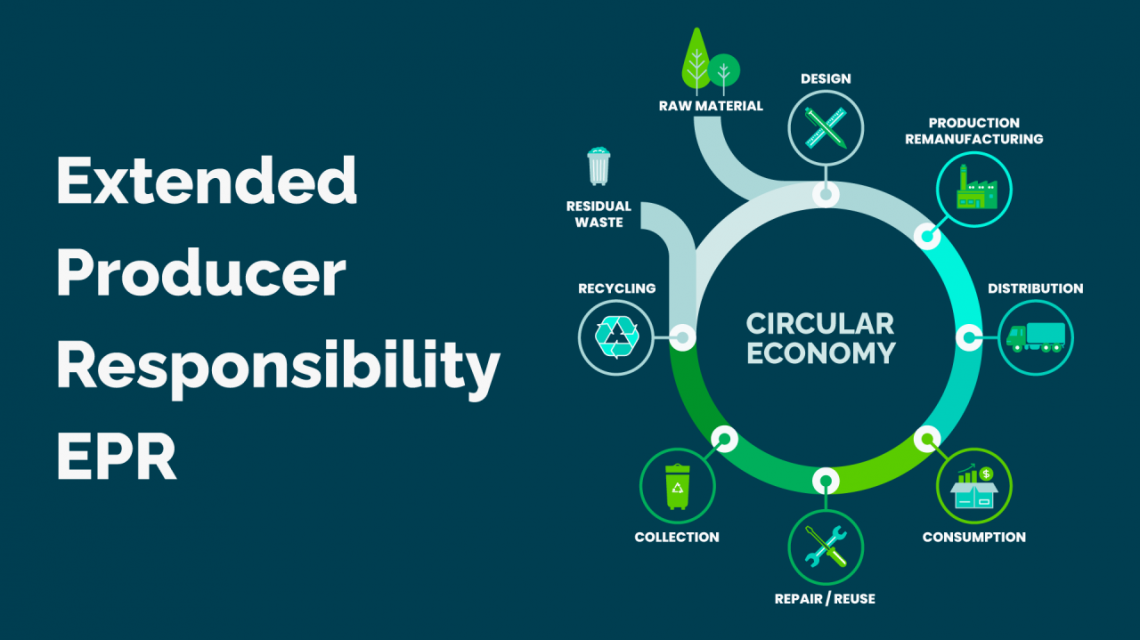
Extended Producer Responsibility (EPR) will have a major impact on the strategies businesses develop for their product lifecycle and, at the same time, shift the cost of post-consumer waste management from municipalities and consumers back to producers. The policy framework has already positioned itself as a strong ally of the Circular Economy by compelling manufacturers to develop products that are not only eco-friendly but also robust and have high recycling rates.
In the quest to close the waste loop and fulfil the boldest promises of sustainability, India has rolled out new and strict EPR guidelines for different waste categories. The companies, importers, and brand owners—which are usually referred to as PIBOs—need to be aware of and comply with these new rules not only as an environmental obligation but also as a legal and operational requirement.
What is Extended Producer Responsibility (EPR)?
Extended Producer Responsibility is a policy strategy that assigns a manufacturer's responsibility for a product all the way to the post-consumer phase of the product's life cycle.
To put it plainly, if you produce or bring in a product that produces waste—like plastic, electronic gadgets, batteries, or tyres—you are now obliged to make sure that the same quantity of that waste is either collected, recycled, or disposed of in an envirometally safe way. This liability is supported by law through particular waste management regulations.
Key Areas of New EPR Guidelines
Recent regulatory amendments have brought a sharper focus and stricter requirements to multiple waste categories, demanding immediate attention from obligated entities.
1. E-Waste Management Rules (EWMR)
The updated E-Waste rules introduce a shift towards a certificate-based system and stringent recycling targets.
- Mandatory Registration: All manufacturers are required to have an account on the Central Pollution Control Board (CPCB) Centralized Online Portal to handle their EPR duties.
- EPR Certificates: Manufacturers are obliged to meet their targets by obtaining EPR Certificates from recyclers who have been registered. The targets are determined by the amount of EEE (Electrical and Electronic Equipment) sold and are associated with the extraction of certain materials like gold, copper, aluminium, and iron.
- Reduced Use of Hazardous Substances (RoHS): There is a constant regulation on manufacturers to carry on with the reduction of hazardous substances in new products, and they have to keep up-to-date technical documents to support their claim of compliance.
2. Plastic Waste Management Rules (PWMR)
Plastic EPR rules enforce category-specific targets and a robust credit system.
- Category-Specific Targets: Compliance targets are structured according to the kind of plastic packaging (e.g., rigid, flexible, multi-layered) and are designed to increase gradually year by year.
- Use of Recycled Content: The producers of plastic products are required to use a minimum proportion of recycled plastic that is predetermined.
- EPR Credit Mechanism: The compliance, just like in the case of e-waste, is verified through the purchase of EPR Credits, which are produced by accredited recyclers, hence assuring the accountability and traceability of the recycled plastic.
3. Battery Waste Management Rules (BWMR)
The new rules for battery waste are focused on creating a robust collection and recycling infrastructure.
- Mandatory Collection and Recycling: Producers of both primary and secondary batteries are obliged to set up collection systems for waste batteries and meet annual recycling targets.
- Environmental Compensation: Stricter provisions for environmental compensation are in place for non-compliance, highlighting the serious nature of battery waste due to its hazardous material content.
4. EPR for Non-Ferrous Metal Scrap
A significant recent inclusion is the introduction of EPR rules for products involving non-ferrous metals like aluminium, copper, and zinc, which will be effective from an upcoming date (e.g., April 2026).
- Expanding Scope: This expansion signifies the government's intent to bring more waste streams under the formal EPR framework.
- Minimum Recycled Content: These rules will also mandate minimum recycled content requirements in new products, directly boosting the domestic scrap processing industry.
Actionable Steps for Manufacturers
Compliance is a continuous process that requires strategic planning and investment.
- Mandatory Registration: Register as a Producer, Importer, or Brand Owner (PIBO) on the respective centralized CPCB portal for your applicable waste streams (Plastic, E-Waste, Battery, etc.).
- Quantify Liability: Accurately calculate the total quantity of material/product placed on the market in the current and previous years to determine your specific recycling targets.
- Develop an Action Plan: Outline a clear strategy for fulfilling your targets. This may involve setting up a take-back program, running collection centres, or partnering with authorized Producer Responsibility Organisations (PROs).
- Partner with Authorized Entities: Establish formal ties with CPCB-registered recyclers or refurbishers. The transaction for purchasing EPR Certificates must be transparent and traceable through the online portal.
- Design for Sustainability: Proactively redesign products to use less material, incorporate higher recycled content, and ensure easy disassembly and recycling at the end of life (Eco-Design).
- Regular Reporting: Maintain meticulous records and submit mandatory quarterly/half-yearly and annual returns on the centralized portal to prove compliance and material traceability.
FAQs: EPR Compliance
Q1: Is EPR Compliance Mandatory for My Business?
A: Affirmative answer! If your business is a Producer, Importer, or Brand Owner (PIBO) that is placing plastic packaging, electrical/electronic equipment (E-Waste), batteries, or tyres into the Indian market, it is necessary for you to comply with the respective waste management regulations. The reason for this is that non-compliance can result in an enormous amount of money being required as environmental compensation fees or legal fines being imposed.
Q2: What Is An EPR Certificate And How Can I Obtain One?
A: An EPR Certificate, also known as a Plastic Credit or E-Waste Certificate, is a confirmed digital asset that denotes that a certain amount of waste has been collected and recycled by an authorized recycler. The obligated PIBOs do that recycling by purchasing certificates from the registered recyclers through the online portal of the CPCB.
Q3: What Is the Function of a PRO (Producer Responsibility Organization)?
A: A Producer Responsibility Organization, or PRO, is an external agency that can be appointed by a PIBO to handle and discharge its EPR-related responsibilities. This entails establishing collection points, organising transport, monitoring the recycling of materials through approved partners, and submitting the required paperwork to the CPCB. The cooperation with a PRO can greatly ease the compliance for smaller companies or those with complicated supply chains.
Q4: My product is manufactured by a third-party company. Who is responsible for EPR?
A: Generally, the Brand Owner or the entity that holds the commercial identity of the product is held responsible. If you sell the product under your brand name, you are the obligated entity, even if the manufacturing is outsourced to a third-party facility. The legal obligation rests with the PIBO, which introduces the product to the market.
Need Help with Compliance?
Let our experts guide you through the certification process.
Contact Us Today
About the Author
Arsh Mohammad
Founder & CEO
15+ Years ExperienceVisionary leader with 15+ years in regulatory compliance, driving innovation and excellence in BIS certifications across India's industrial landscape.