Medical Device Registration in India Online – CDSCO Approved Device List
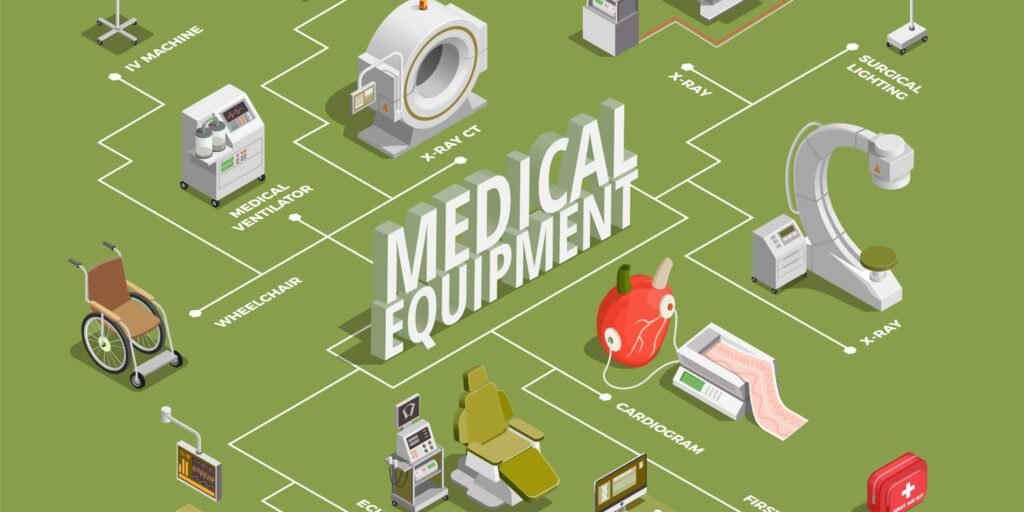
The medical device industry in India has experienced its biggest regulatory transformation. The licensing system will switch from its current voluntary status to mandatory licensing requirements, which will be implemented starting from 2026. All businesses must comply with Central Drugs Standard Control Organization (CDSCO) requirements whenever they enter the Indian market, whether they operate as domestic manufacturers or foreign exporters.
The Central Drugs Standard Control Organisation (CDSCO), which operates under the Ministry of Health and Family Welfare, controls the registration process for medical devices in India according to the Medical Device Rules, 2017. The complete process of medical device registration in India is explained through this educational material.
Regulatory Authority: Who Governs Medical Devices in India?
Manufacturers and importers are required to categorize their devices into Class A through Class D before they can submit their applications through the SUGAM portal. Foreign manufacturers must appoint an Indian Authorized Agent (IAA) to represent them in India. The organization that regulates medical device approvals is:
- Central Drugs Standard Control Organization (CDSCO)
- Headed by the Drug Controller General of India (DCGI)
1. Understanding the Risk-Based Classification
India uses a four-level classification system, which determines device risk according to its potential danger to users and patients. Your regulatory pathway, fees, and timelines depend entirely on this classification. The Medical Device Rules 2017 establish strict risk-based classification rules for device classification.
Class A – Low Risk
- Examples: Surgical dressings, tongue depressors
- Licensing Authority: State Licensing Authority (SLA)
Class B – Low-Moderate Risk
- Examples: Clinical electronic thermometer, BP monitors
- Licensing Authority: State Licensing Authority (SLA)
Class C – Moderate-High Risk
- Examples: Ventilators, X-ray machines, bone plates
- Licensing Authority: Central Licensing Authority (CDSCO)
Class D – High Risk
- Examples: Heart valves, pacemakers, MRI machines
- Licensing Authority: Central Licensing Authority (CDSCO)
2. Key Requirements for Registration
To register a device, you must submit a complete regulatory dossier through the SUGAM portal. All technical files must be submitted in English.
Core documentation includes:
- ISO 13485 Certification – Proof of a robust Quality Management System (QMS)
- Plant Master File (PMF) – Detailed manufacturing site information
- Device Master File (DMF) – Technical data including design, materials, testing, and stability
- Free Sale Certificate (FSC) – Required for importers as proof the device is legally sold in the country of origin
- CE Marking or US FDA approval (if available)
- Clinical Evidence (mandatory for Class C and D devices)
3. Medical Device Registration Process in India: Step-by-Step
Step 1: Appointment of Indian Authorized Agent (For Foreign Firms)
Foreign manufacturers need to follow mandatory procedures because they cannot submit their applications. CDSCO provides Forms MD-1 to MD-42, which include licensing, testing, and clinical investigation requirements. The company needs to establish an Indian Authorized Agent (IAA) who will handle its operations.
- Holds a valid wholesale license
- Acts as the legal liaison with CDSCO
- Handles regulatory compliance and communication
Step 2: Documentation & Portal Upload
All applications are submitted digitally via the SUGAM portal.
Relevant forms include:
- Form MD-14 – Application for Import License
- Form MD-3 / MD-7 – Application for Manufacturing License
- Import License (Form MD-15) – Required for importing notified devices
- Manufacturing License (Form MD-9 / MD-10) – Required for Class C and D manufacturing
- Class A/B manufacturing requires registration with the State Licensing Authority
Step 3: Technical Review & Audit
The CDSCO requires additional clinical validation through a Subject Expert Committee for high-risk Class D devices. The CDSCO conducts a detailed review process for all submitted dossier materials.
- Class A: Minimal review
- Class B: May require an audit
- Class C & D: Detailed evaluation and site inspection
Step 4: Grant of License
Once approved, the authority issues:
- Form MD-15 – Import License
- Form MD-5 / MD-9 – Manufacturing License
Medical Device Product Registration in India
Product registration of medical devices in India is required for notified medical devices. Unregistered medical devices can lead to penalties, seizure, import prohibition, and legal action.
Foreign manufacturers must appoint an Indian Authorized Agent, comply with labeling requirements, and meet ISO 13485 Quality Management System standards.
Key Compliance Requirements
Indian Authorized Agent
Mandatory for foreign manufacturers.
Labeling Compliance
Labels must comply with Indian regulations and include:
- Manufacturer details
- Importer details (if applicable)
- License number
- Batch/lot number
- Instructions for use
- English language (mandatory)
- Regional language (for certain devices)
Quality Management System
Compliance with ISO 13485 is essential.
4. Crucial Updates for 2026
The regulatory landscape has become more sophisticated with several new mandates:
A. Software as a Medical Device (SaMD)
AI-based diagnostic tools and health applications are now strictly regulated under the same Class A–D framework.
B. Unique Device Identification (UDI)
UDI codes are now mandatory for better traceability across the supply chain.
C. Automated “Neutral Codes”
CDSCO introduced auto-generated neutral codes on the SUGAM portal for exporters to simplify anonymised packaging.
D. Price Oversight
The National Pharmaceutical Pricing Authority (NPPA) now monitors a wider range of medical devices. Year-on-year price increases cannot exceed 10%.
5. Timelines and Validity
- Approval Timeline: Generally 6 to 9 months
- Class A devices may be processed within 1–3 months under deemed approval pathways
- Validity: Licenses are valid for 5 years
- Retention Fee: Must be paid every five years to keep the license active
Why Medical Device Registration Is Mandatory
India has fully transitioned to mandatory licensing for notified devices. Non-compliance may result in:
- Product seizure
- Import bans
- Heavy financial penalties
- Criminal prosecution
- Market access denial
Proper CDSCO registration ensures:
- Legal entry into the Indian market
- Enhanced buyer confidence
- Eligibility for government tenders
- Long-term regulatory stability
Final Thoughts: CDSCO medical device registration
Medical device registration in India is no longer a simple administrative process — it is a strategic regulatory requirement. With increased enforcement, online tracking, and an increasing number of medical devices being brought under the regulatory umbrella in 2026, it is essential that companies deal with CDSCO requirements cautiously and systematically.
Doing things right, following the rules, being ISO 13485 compliant, and submitting to the SUGAM portal on time are the building blocks of a successful approval.
If you are considering registering a medical device in India, the first step begins with risk classification and a technically correct regulatory submission.
FAQs About CDSCO Medical Device Registration
1. Who regulates medical device registration in India?
The registration of medical devices in India is governed by the Central Drugs Standard Control Organization (CDSCO), which falls under the Ministry of Health and Family Welfare, and is headed by the Drug Controller General of India (DCGI).
2. Is CDSCO registration mandatory for medical devices in India?
Yes, CDSCO registration is mandatory for notified medical devices in India. As of 2026, India follows a fully mandatory licensing regime under the Medical Device Rules, 2017.
3. What are the classes of medical devices in India?
Medical devices in India are classified into four categories based on risk:
Class A (Low Risk), Class B (Low-Moderate Risk), Class C (Moderate-High Risk), and Class D (High Risk).
4. How long does medical device registration take in India?
Medical device registration typically takes 6 to 9 months. Class A devices may be approved faster, sometimes within 1–3 months.
5. Is an Indian Authorized Agent required for foreign manufacturers?
Yes, foreign manufacturers must appoint an Indian Authorized Agent (IAA) to apply for medical device registration and communicate with CDSCO.
6. What documents are required for CDSCO medical device registration?
Key documents include ISO 13485 certification, Device Master File (DMF), Plant Master File (PMF), Free Sale Certificate (FSC), clinical data (for higher classes), and application submission through the SUGAM portal.
7. What is the validity of a CDSCO medical device license?
A CDSCO medical device license is valid for 5 years. Retention fees must be paid every five years to maintain validity.
Need Help with Compliance?
Let our experts guide you through the certification process.
Contact Us Today
About the Author
Arsh Mohammad
Founder & CEO
15+ Years ExperienceVisionary leader with 15+ years in regulatory compliance, driving innovation and excellence in BIS certifications across India's industrial landscape.