10 Essential Steps for Successful BIS Product Certification

Intro: BIS Certification Success
The certification from the Bureau of Indian Standards, often abbreviated as BIS, guarantees the quality and safety of a product that is sold in the Indian market. It is a consumer protection measure at the same time, and is frequently a requirement for a lot of product categories. Certifying a product could be complicated due to the process involved, but with a proper guideline, success is assured. Ten mandatory steps for manufacturers to take are listed below.
Key Steps to BIS Certification Success
Typically, there are three primary schemata under which the certification process is classified: ISI Mark Scheme (Scheme-I for local producers and specific foreign ones), Compulsory Registration Scheme (CRS) (Scheme-II for primarily ICT and electronic items), and the Foreign Manufacturers Certification Scheme (FMCS).
1 - Identify the Applicable Indian Standard (IS) and Scheme:
- The initial essential step is to determine which Indian Standard (IS) applies to your specific product. Correct classification is essential for accurate testing and documentation.
- Check if your product is included in the compulsory ISI Mark, the CRS, or a different plan like Scheme X.
2 - Establish In-House Testing Facility (For ISI/FMCS):
In case of schemes that necessitate a factory audit (such as ISI and FMCS), it is mandatory to prove the presence of the appropriate in-house testing tools and skilled workers in your production unit for the continuous checking of product quality according to the pertinent IS.
3 - Prepare Comprehensive Documentation:
Gather all required documents, which typically include:
- Company registration/incorporation certificate.
- Manufacturing unit details (address, layout, process flow chart).
- List of manufacturing equipment and machinery.
- Details of the quality control process and records.
4 - Authorized Indian Representative (AIR) Appointment (For Foreign Manufacturers):
Foreigners applying for a Sandi and the license have to appoint an Authorized Indian Representative (AIR) who is an Indian resident. The AIR will function as the local contact and is in charge of ensuring the provisions of the BIS Act are followed.
5 - Get Product Sample Tested by a BIS-Recognized Lab:
Product samples must be tested by a BIS-recognized or NABL-accredited laboratory in India (or sometimes abroad for FMCS). The test report must confirm that the product meets all requirements of the applicable Indian Standard.
6 - Submit Online Application:
Complete and submit the application form (e.g., Form V for ISI, Form I for CRS) online through the official BIS portal, attaching all prepared documentation and the test report.
7 - Preliminary Factory Evaluation/Inspection (For ISI/FMCS):
In order to obtain those who have the ISI Mark and FMCS, the BIS officer conducts the initial inspection of the factory for verification of the manufacturing process and quality control system and in-house testing facilities, as well as all documents submitted. This is not usually required for CRS, which relies on the laboratory test report as well as the self-declaration of conformity.

8 - Address Queries and Non-Conformities:
BIS officers may raise queries or identify non-conformities (NCs) during the documentation review or factory audit. Respond quickly and comprehensively with clarifications and evidence of corrective actions taken to avoid delays.
9 - Grant of Certification:
Upon satisfactory review of the application, test reports, and factory inspection report (if applicable), the BIS will grant the license.
10 - Commence Marking and Ensure Surveillance Compliance:
Once certified, you can use the Standard Mark (ISI, CRS, or Scheme X logo with the unique license number) on your product and packaging. The licence is typically valid for 1-2 years and requires adherence to a Scheme of Testing and Inspection (STI) and periodic surveillance audits by BIS for renewal.
Final Thoughts: Achieving Excellence Through Compliance
The process of navigating the BIS Certification process successfully. Certification process goes beyond simply fulfilling the requirements of a regulatory requirement and is also a strategic investment in the quality, as well as the safety and acceptance of your products in India.
The 10 steps laid out -- from identifying the right standard, and setting up solid in-house testing, to securing the license's final approval and maintaining surveillance compliance -- form the basis of a clearly defined, achievable road map.
FAQs: BIS Certification Success
1. What's the biggest distinction between ISI Mark and CRS?
It is the ISI Mark Scheme (Scheme-I) is commonly used to identify items, including electrical equipment, cement as well and steel. usually requires a factory audit performed by BIS officials in order to verify the production and quality control procedures. It is the Compulsory registration scheme (CRS) (Scheme-II), typically used to register IT as well as electronic items is based on a manufacturer's self-declaration of conformity, based on the quality of the test results from an accredited BIS lab. It typically is not required to undergo a prior factory audit.
2. What is the average time for the BIS accreditation process typically take?
The timeframe varies greatly depending on the type of scheme used, the product it is designed for, its complexity, as well as how fast the manufacturer responds to concerns. In general, the CRS procedure could take between 2 and 3 months; however, FMCS and ISI Mark processes can take up to 4-6 months. The ISI Mark and FMCS process could take up to 4-6 months or longer due to the necessity for evaluation at the factory as well as potentially difficult tests.
3. Is BIS certification required for every product that is sold in India?
There is no requirement for BIS certification. BIS certification is optional for the majority of products. But it is required by the Government of India to make it compulsory for specific products that deal with public safety, health, mass consumer demand, as well as the protection of the environment (e.g. cement and packaged drinking water tyres for vehicles, as well as many IT/electronic goods). They are covered by certain Quality Control Orders (QCOs).
4. What's the function of the Authorized Indian Representative (AIR)?
The AIR is an entity or person that is located in India, designated by a manufacturer from a foreign country (under FMCS or CRS) to serve as the local point of contact. They are accountable for providing all documentation required, making sure of that the products comply, as well as facing any legal obligations as per the BIS Act. BIS Act.
5. What happens if a company alters a certified product?
Any change that is significant to the design of a product, the raw materials, or the manufacturing process that may alter the product's conformity to the standards of the Indian Standard must be immediately notified to BIS. The changes could require an examination of the product or even an amendment of the license in order to ensure the validity of the license.
Tags:
Need Help with Compliance?
Let our experts guide you through the certification process.
Contact Us Today
About the Author
Arsh Mohammad
Founder & CEO
15+ Years ExperienceVisionary leader with 15+ years in regulatory compliance, driving innovation and excellence in BIS certifications across India's industrial landscape.
Related Articles
Vendor Compliance Management: Keeping Third-Party Partners Accountable
5 min read
Read More →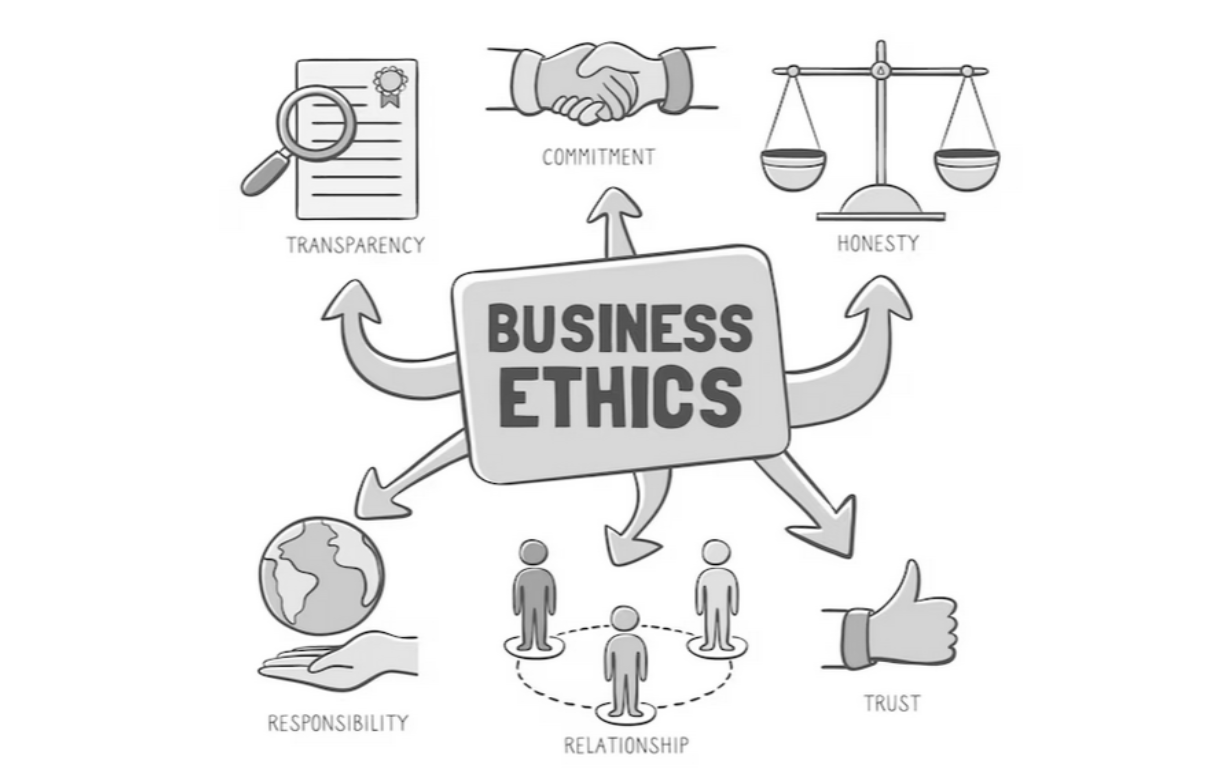
Business Reputation Starts with Trust: A Compliance Strategy Built on Ethical Business Practices
5 min read
Read More →
The Complete Audit Compliance Guide: How to Build an Audit-Ready Business
5 min read
Read More →