Why Compliance Culture Matters in Modern Business
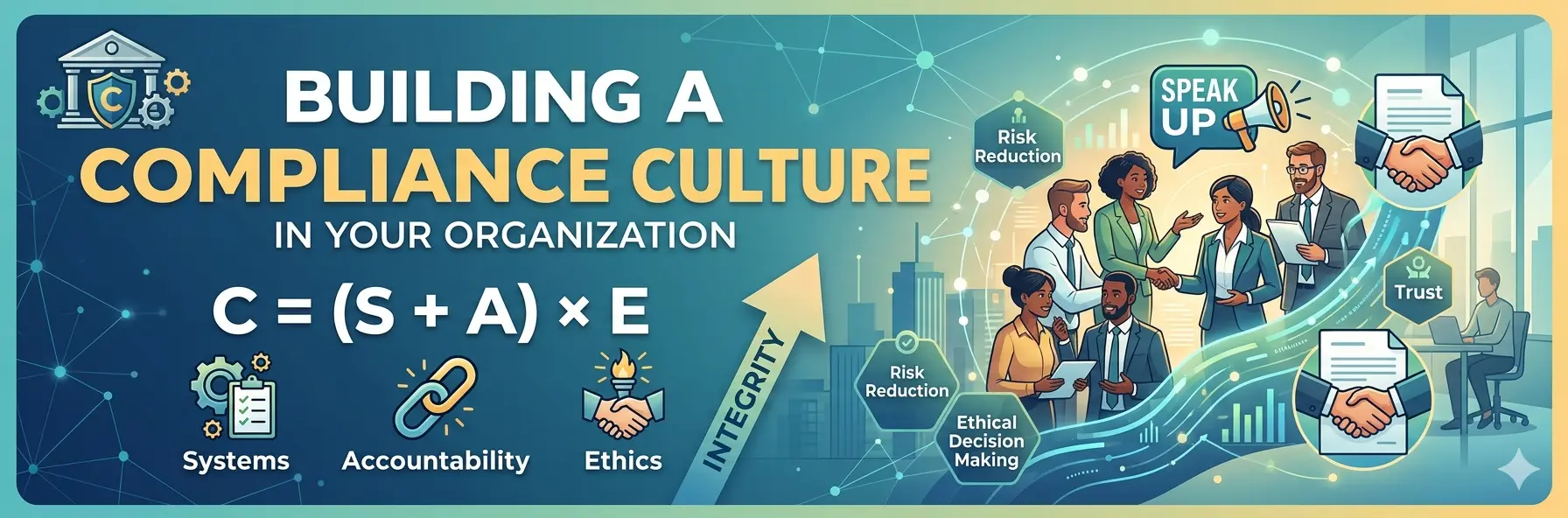
Building a True Culture of Compliance
In today’s highly regulated business environment, maintaining strong business compliance standards is no longer optional. Organizations across industries face increasing pressure to meet legal requirements, maintain ethical practices, and protect their reputation. This is why building a strong compliance culture has become essential for long-term success.
Many companies still treat compliance as a “check-the-box” activity focused only on avoiding penalties. However, true corporate compliance goes far beyond policies and audits. It involves creating an environment where employees at every level understand the importance of ethical behavior and follow regulations naturally in their daily work.
A strong workplace compliance system ensures safety, integrity, transparency, and accountability across the organization.
Understanding Compliance Culture
A compliance culture refers to an organizational environment where ethical behavior, transparency, and adherence to regulations are embedded into everyday operations. It is not just about rules and policies—it is about shared values practiced by all employees.
Compliance can take many forms:
- Regulatory compliance with government laws
- Internal corporate policies and standards
- Industry-specific requirements
- Ethical business practices
Strong corporate compliance depends on employees aligning their actions with company standards while understanding the positive impact of following them.
Organizations that focus on proactive compliance management not only avoid penalties but also gain trust, improve reputation, and create a competitive advantage.
Why Compliance Culture Matters
For many organizations, compliance is still viewed as an administrative burden. This often creates “compliance fatigue,” where employees rush through training or treat policies as formalities.
A true compliance culture changes this mindset. Instead of focusing only on punishment, organizations encourage employees to make ethical decisions even when no one is watching.
Companies known for strong business compliance practices are often viewed as more reliable and trustworthy.
Benefits of strong workplace compliance include:
- Reduced legal and financial risks
- Better brand reputation
- Improved employee trust and morale
- Stronger customer confidence
- Better operational efficiency
The Cost of Poor Compliance
Ignoring corporate compliance can have serious consequences across industries. Poor compliance management can damage both profitability and long-term growth.
Financial Services
- Heavy fines and penalties
- Legal action and prison sentences
- Business disruptions and revenue loss
Manufacturing
- Supply chain disruptions
- Market share loss
- Increased operational costs
Life Sciences
- Product safety risks
- Delays in regulatory approvals
- Reputation damage and customer trust issues
Moving Beyond Traditional Compliance
Over the years, increasing regulations have pushed many organizations toward risk-averse, monitoring-heavy approaches. This often creates a weak compliance culture where employees focus only on avoiding mistakes rather than acting ethically.
Strong workplace compliance requires moving beyond policies and embedding compliance into daily operations.
A “tick-box” mentality can lead to:
- Employees looking for loopholes
- Rushed compliance tasks
- Lack of accountability
- Weak employee engagement
The Pillars of a Strong Compliance Culture
1. Leadership Commitment
A successful compliance culture starts with leadership. If management treats regulations as obstacles, employees will follow the same mindset.
Strong leadership is the foundation of effective corporate compliance.
Leaders should:
- Promote ethical behavior
- Discuss compliance openly
- Lead by example
- Reward integrity
2. Clear Policies and Communication
Complex legal documents are difficult for employees to understand. Organizations should simplify compliance policies into practical and accessible guidelines.
Open communication also strengthens workplace compliance.
Effective communication helps improve:
- Employee understanding
- Policy awareness
- Participation in compliance management initiatives
3. Continuous Training and Awareness
Compliance training should not be limited to annual sessions. Employees need continuous learning and regular updates. Regular education improves employee accountability and supports long-term business compliance goals.
Organizations can use:
- Workshops
- Short learning modules
- Scenario-based discussions
- Compliance awareness campaigns
4. Psychological Safety and Reporting
Employees must feel comfortable reporting concerns without fear of retaliation. A strong reporting culture improves transparency and strengthens corporate compliance.
Organizations should provide:
- Anonymous reporting systems
- Whistleblower protection
- Open-door communication policies
5. Monitoring and Auditing
Technology and automated systems can simplify monitoring processes. Effective compliance management requires regular monitoring and audits.
Benefits include:
- Identifying compliance gaps
- Reducing risks early
- Improving accountability
- Supporting continuous improvement
Simplify Compliance with Experts
Sheen Consultancy is the best BIS consultant in India, helping businesses with smooth certification, documentation, and regulatory approvals. Their expert team simplifies compliance processes, reduces delays, and ensures hassle-free support for strong business growth and successful compliance management.
Challenges in Building Compliance Culture
Creating a strong compliance culture is an ongoing process, and organisations often face several challenges.
Employee Resistance
Long-standing employees may resist new compliance measures and workplace changes.
Lack of Leadership Support
Without active management involvement, employees may not take compliance seriously.
Poor Communication
Weak communication strategies can create confusion around policies and expectations.
Lack of Resources
Insufficient training, tools, and time can weaken compliance management efforts.
Technology Challenges
Integrating compliance systems with existing infrastructure can be technically difficult.
Overcoming these challenges requires commitment, transparency, and consistent effort.
Strategies for Strong Workplace Compliance
Understanding human behavior is also important. Social influences, workplace habits, and psychological factors affect how employees respond to compliance expectations.
Organizations can strengthen workplace compliance by following practical strategies:
- Encourage open dialogue and employee feedback
- Integrate compliance into daily operations
- Invest in compliance software and tools
- Promote accountability at all levels
- Recognize and reward ethical behavior
Benefits of Effective Compliance Management
Organizations with strong corporate compliance systems often perform better because they avoid costly legal issues and reputational damage. A strong compliance management framework offers several long-term advantages:
- Reduced legal and financial risks
- Improved reputation and customer trust
- Better employee morale and retention
- Increased operational efficiency
- Better financial performance
Final Thoughts: compliance culture
Building a strong compliance culture is not a one-time project—it is an ongoing commitment. Organizations must move beyond rulebooks and create an environment where ethical behavior becomes part of everyday operations.
Strong leadership, clear communication, continuous training, and effective compliance management are essential for creating lasting change.
When employees understand the value of integrity and accountability, workplace compliance becomes a natural part of the organization rather than a burden.
FAQs: compliance culture
1. What is compliance culture?
A compliance culture is an organizational environment where ethical behavior, regulations, and company policies are followed naturally as part of daily operations.
2. Why is workplace compliance important?
Strong workplace compliance helps organizations reduce legal risks, improve employee accountability, and maintain trust with customers and stakeholders.
3. What are the biggest challenges in corporate compliance?
Common corporate compliance challenges include employee resistance, poor communication, lack of leadership support, and insufficient compliance resources.
4. How does compliance management help businesses?
Compliance management helps organizations monitor regulations, reduce risks, improve efficiency, and ensure legal and ethical operations.
5. How can organizations improve business compliance?
Organizations can improve business compliance through leadership commitment, employee training, open communication, regular audits, and strong ethical values.
Need Help with Compliance?
Let our experts guide you through the certification process.
Contact Us Today
About the Author
Arsh Mohammad
Founder & CEO
15+ Years ExperienceVisionary leader with 15+ years in regulatory compliance, driving innovation and excellence in BIS certifications across India's industrial landscape.
Related Articles
Vendor Compliance Management: Keeping Third-Party Partners Accountable
5 min read
Read More →
Business Reputation Starts with Trust: A Compliance Strategy Built on Ethical Business Practices
5 min read
Read More →
The Complete Audit Compliance Guide: How to Build an Audit-Ready Business
5 min read
Read More →