Latest BIS Amendments for 2026: What Manufacturers Need to Know
Intro: BIS Amendments for 2026
The Bureau of Indian Standards (BIS) ensures that the products available in the Indian market are safe, trustworthy, and of good quality. It is the main organization that controls the safety and quality of the product market in India. BIS revises its regulations annually to align with new technologies, safety requirements, and international standards.
BIS for 2026 has announced several significant changes that every manufacturer—small, medium, or large— must be aware of. The changes will directly impact product testing, certification rules, documentation, factory audits, packaging standards, and compliance monitoring.
Manufacturers of electronics, toys, kitchen appliances, steel products, food items, chemicals, or consumer goods are directly impacted by these updates.
1. Stronger Quality Control Requirements
One of the biggest changes in the 2026 amendments is a tougher Quality Control Order (QCO).
Manufacturers must now follow:
✔ More frequent internal product testing
Instead of testing only during certification, factories must test samples regularly during production.
✔ Improved safety checks
Electrical, chemical, and mechanical safety parameters have been updated based on international standards.
✔ Retention samples
Manufacturers must now keep “retention samples” for every batch. BIS may request them anytime.
✔ Strict calibration of machines
All testing equipment must be correctly calibrated and recorded. Outdated machines are no longer acceptable.
These steps are designed to reduce defective products in the market.
2. Updated BIS Standards for Key Product Categories
Several Indian Standards (IS) have been changed or updated.
Major categories affected include:
- Home appliances – Fans, heaters, mixers, microwaves
- Electronics – TVs, audio systems, batteries, LED lights
- Toys – Safety testing is now stricter
- Steel and metal products – New mechanical strength requirements
- Plastic items – Stricter checks on harmful chemicals
- Packaging materials – New labeling rules
- Automotive parts – New durability and safety tests
Manufacturers are advised to download the latest standard documents and update their product designs, labels, and processes accordingly.
3. More Products Added to Mandatory BIS Certification
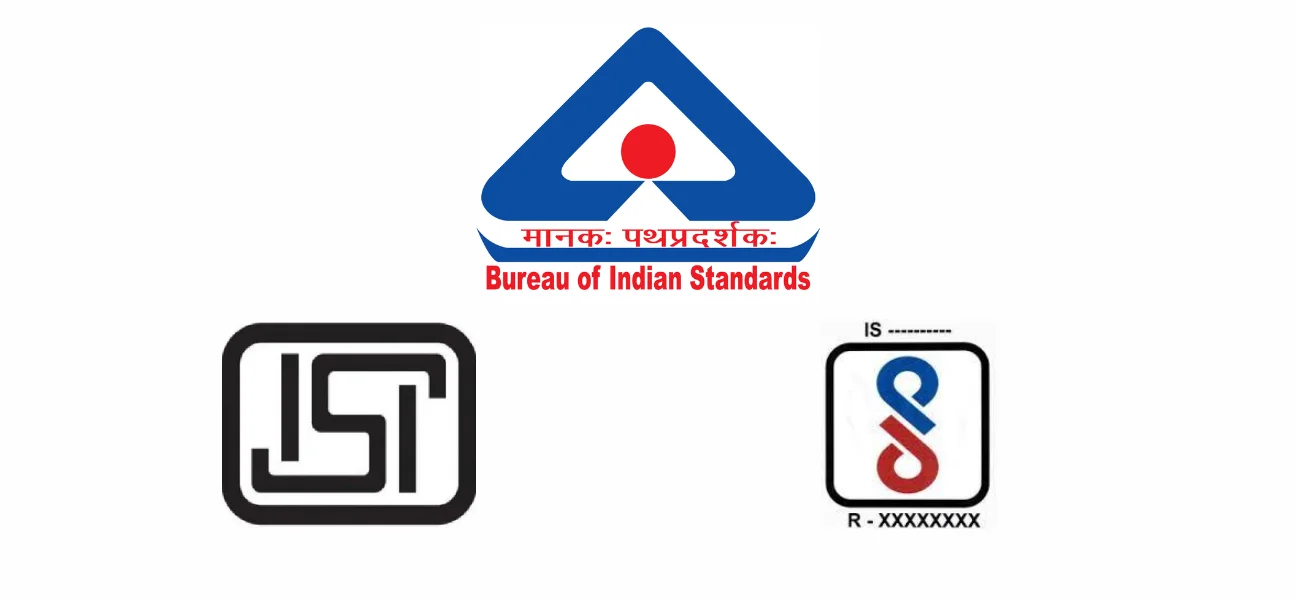
In 2025, BIS expanded the Mandatory Certification List. This means more products must now carry the ISI mark or CRS registration before they can be sold in India.
New additions (examples):
- Smart electronic devices
- Lithium battery products
- Certain steel components
- Children’s educational toys
- Some kitchen and household appliances
- Chemical-based safety equipment
If your product falls under this new list and you do not get BIS approval, you cannot legally sell it.
4. Faster but More Strict BIS Certification Process
BIS has tried to reduce processing time, but the rules are stricter.
Applications must now include:
✔ Complete product specification sheet
✔ Factory license and manufacturing capability proof
✔ Correct and recent test reports
✔ Trademark registration certificate
✔ Label artwork and packaging details
✔ Factory layout, equipment list, and quality manuals
Even a small mistake in documentation can delay approval or lead to rejection.
5. Digital Compliance & Online Monitoring for 2026
To avoid fake certifications and ensure transparency, BIS has increased digital monitoring:
✔ QR Code–based ISI labels
Every certified product must include a QR code showing certification details.
✔ Online production reporting
Manufacturers must regularly upload factory production data and batch reports.
✔ Digital audit support
Some audits will be conducted through video verification or digital record checking.
✔ Online renewal tracking
Manufacturers must update their documents yearly to maintain compliance. This shift towards digital compliance will help BIS detect misuse faster.
6. Penalties and Legal Action Have Increased
The 2026 amendments come with higher penalties for:
- Selling products without BIS certification
- Using expired or fake ISI marks
- Not following updated standards
- Misleading labeling or packaging
- Failure to cooperate during audits
For serious violations, BIS has the authority to:
- Cancel certification
- Seal the factory
- Stop product sales
- File legal cases
Manufacturers should take these rules seriously to avoid business disruption.
7. BIS Renewal Rules Are Now More Detailed
Renewal will be denied if the product does not match the latest BIS standard. Renewing BIS certification now requires:
✔ Updated test reports (not older than the allowed period)
✔ Records of internal factory testing
✔ Updated quality control manuals
✔ Proof of continuous production
✔ Updated factory information and machinery list
8. More Focus on Safety & Sustainability
BIS has added new guidelines for environmental safety and sustainability, including:
- Lower use of harmful chemicals
- Safer recycled material usage rules
- Energy-efficient design requirements
- Eco-friendly labeling suggestions
Manufacturers are encouraged to adopt greener processes.
Final Message for Manufacturers
The 2026 BIS amendments are designed to make Indian products safer, more reliable, and globally competitive.
Yes, the rules are stricter, but they ultimately help you:
- Build customer trust
- Reduce product failures
- Improve brand reputation
- Expand into new markets
- Stay legally compliant
Manufacturers should regularly check BIS updates, upgrade their testing processes, and maintain clear documentation.
FAQs: BIS Amendments for 2026
1. Are the 2026 BIS amendments mandatory for all manufacturers?
Absolutely. The revised regulations must be adhered to if your product is a part of a BIS standard or a compulsory list.
2. What are the consequences of continuing with the old standards?
Your application may be rejected by BIS or your permission to sell the product may be revoked. The use of the updated standards is obligatory.
3. Has 2026 seen the addition of more products to the BIS mandatory list?
Indeed, the list has grown; among the new additions are electronics, toys, chemicals, and common household goods that must all have a BIS certificate.
4. What is the duration of the BIS certification process in 2026?
The entire process is quicker, but only in cases where the paperwork is perfect, and the factory inspection performs well.
5. Are these amendments applicable to the small-scale manufacturers as well?
Yes. There will be no distinction between the small-scale and the large-scale manufacturers; everyone will have to comply with the BIS regulations if their product is under mandatory certification.
Tags:
Need Help with Compliance?
Let our experts guide you through the certification process.
Contact Us Today
About the Author
Arsh Mohammad
Founder & CEO
15+ Years ExperienceVisionary leader with 15+ years in regulatory compliance, driving innovation and excellence in BIS certifications across India's industrial landscape.