The Complete Audit Compliance Guide: How to Build an Audit-Ready Business
A Real-World Audit Readiness Checklist
For most business owners, even the word "audit" can trigger this little wave of anxiety. You know, visions of overflowing file cabinets, last-minute number crunching, and those awkward questions from an outsider that kind of pop up all at once. But a business compliance audit doesn’t have to become some nerve-wracking event. If it’s handled the right way, it’s basically a structured health check that shows you what’s going well and what still needs adjustment before those small gaps slowly grow into costly issues, and nobody wants that.
In this guide you’ll see what a business compliance audit actually is, why it happens in the first place, and how to build real audit readiness into your day-to-day operations. So the next time an auditor reaches out, your team can reply with steadiness rather than panic. Think of it as a practical audit compliance guide for turning stress into structure, not just more worry.
What Exactly Is a Compliance Audit?
A compliance audit is a formal, structured review of whether your organization is following the rules that apply to it. Those rules generally fall into two buckets: external regulations set by government bodies (tax laws, labor laws, and data protection rules) and internal policies your company has created for itself (spending limits, safety protocols, and HR procedures).
An auditor's job isn't to catch you out—it's to compare what's actually happening in your business against what's supposed to be happening and flag the difference. That's why strong compliance management is less about fear and more about discipline: knowing your obligations, documenting how you meet them, and correcting course quickly when you don't.
Why Audits Happen
Whatever the trigger, the underlying goal of regulatory compliance review is the same: confirm you're operating within legal and ethical boundaries.
Understanding why an audit is being triggered helps you prepare for the right thing. Common triggers include:
- Routine, scheduled reviews — many companies run an annual check as part of good corporate compliance hygiene.
- Client or partner requirements — a large client may only sign a contract once you've proven you meet certain standards.
- Regulatory mandates — government bodies periodically verify tax filings, payroll deductions, or safety records.
- Incident response — a data breach, workplace accident, or customer complaint can prompt an audit to identify root causes.
Business Audit Preparation: Getting Your House in Order
Real audit readiness starts long before the auditor walks through the door. Solid business audit preparation rests on a few consistent habits.
1. Know the scope. Ask exactly what will be reviewed — payroll, IT security, financial reporting, or all of the above. This single step saves your team from wasting hours preparing documents nobody will actually check.
2. Centralize your documentation. Scattered spreadsheets and paper files are the number one reason audits drag on. A digital, centralized system where payroll registers, tax receipts, contracts, and licenses are stored consistently makes retrieval instant instead of a scavenger hunt.
3. Run a self-assessment. Before the real thing, do a mock audit. Walk through your own compliance checklist, reconcile your records, and fix errors quietly on your own timeline rather than under an auditor's watch.
4. Loop in your team early. An audit isn't a one-person job. Accounting, HR, and operations all need to know their role, what will be asked of them, and who owns which document. Clear internal communication is often the biggest differentiator between a smooth audit and a chaotic one.
Building an Internal Audit Readiness Checklist
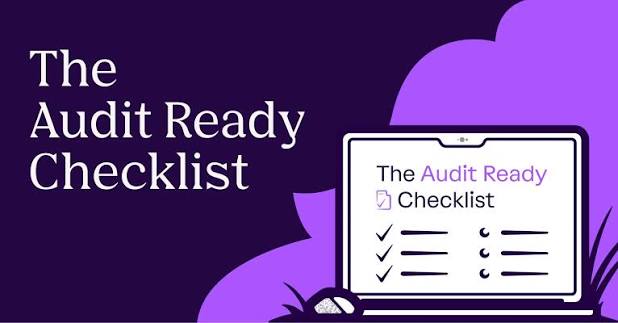
A well-built internal audit checklist is the single most useful tool for staying prepared year-round, not just before a scheduled review. A strong checklist typically covers:
- Applicable laws and regulations relevant to your industry
- Current internal policies and whether they've been reviewed recently
- Employee training records and awareness of compliance obligations
- Payroll, tax, and statutory filings (PF, ESI, GST, TDS, and similar)
- Data privacy and IT access controls
- Safety certifications and workplace condition records
- Contracts, vendor agreements, and license renewals
Keeping this compliance checklist current — updating it whenever a regulation changes — is what separates a genuinely audit-ready business from one that scrambles every time a review is announced. This is where true audit readiness becomes a habit rather than a once-a-year scramble, and it's a core theme of any solid audit compliance guide.
What Happens During the Audit Itself
Once the audit starts, expect like three main things: document review, staff interviews, and straight-up direct observation. Auditors are basically making sure your paperwork lines up with what’s actually happening—for example, matching bank receipts against the payroll deduction numbers you said were happening. They might ask people how they calculate overtime or how password changes are handled, and they’ll often do a quick walk around to see if fire exits stay clear or if confidential files are left out in the open. If you’re using software for approvals or controls, they’ll test whether the system truly enforces the rules it says it does, not just on paper.
There’s usually this opening meeting to set the tone and expectations, then a closing meeting to summarize what they found, so in the end nothing in the final report should feel completely random or out of nowhere.
The Audit Report and What Comes Next
The audit concludes with a formal report — an executive summary, detailed findings, risk ratings (high, medium, low), and recommendations. This document isn't just a scorecard; it's a roadmap. The real value comes from remediation: closing the gaps the report identifies, whether that's renewing an expired license or collecting missing employee documentation.
Turning Compliance Into a Competitive Advantage
Technology plays a growing role here. Centralized, cloud-based platforms give real-time visibility into pending filings, automatically update calculations when regulations change, and maintain audit trails that prove accountability — all of which make the entire process faster and less error-prone.
Businesses that treat corporate compliance as an ongoing discipline rather than a once-a-year scramble tend to see real benefits:
- Stronger reputation — clients and investors prefer partners with clean, verifiable records.
- Lower costs — catching an issue internally is far cheaper than a regulatory fine.
- Better operational efficiency — audits frequently expose slow or broken processes worth fixing anyway.
- Peace of mind — knowing you're prepared removes the anxiety of surprise inspections.
Final Thoughts: Internal Audit Checklist
A compliance review isn't a test designed to trip you up — it's a mirror that shows you exactly where your business stands. With a documented compliance checklist, a living internal audit checklist, and a team that understands its role, audit readiness becomes part of normal operations rather than an annual fire drill. Approach the next review as an opportunity to build a genuinely audit-ready business, not just survive a threat.
FAQs About Audit Readiness
1. What is the main purpose of a business compliance audit?
Its purpose is to verify that a company is following the external laws and internal policies that apply to it and to flag gaps before they become costly legal or financial problems.
2. How often should a business conduct a compliance audit?
Most organizations schedule reviews annually or bi-annually, though companies in heavily regulated or fast-changing industries may need more frequent checks to maintain regulatory compliance.
3. What documents are usually needed for audit compliance?
Common requirements include payroll registers, tax payment proofs, employee contracts, safety certificates, software licenses, and records tied to your compliance checklist.
4. Can a small business manage its own audit preparation?
Yes. Small businesses can build a basic internal audit checklist and run self-assessments internally, though complex regulatory areas often benefit from outside expertise.
5. What's the difference between an internal audit and a compliance audit?
An internal audit reviews overall operational efficiency and controls, while a compliance audit specifically checks adherence to laws, regulations, and internal policy—a narrower but more legally focused scope.
6. How does technology support compliance management?
Modern platforms centralize records, send automated alerts when regulations change, and maintain audit trails — all of which reduce manual errors and speed up every stage of business audit preparation.
7. What happens if an audit finds serious non-compliance issues?
The audit report will rank findings by risk level, and the business is expected to create a remediation plan to fix high-risk issues quickly, often with follow-up verification to confirm the gaps have been closed.
Need Help with Compliance?
Let our experts guide you through the certification process.
Contact Us Today
About the Author
Arsh Mohammad
Founder & CEO
15+ Years ExperienceVisionary leader with 15+ years in regulatory compliance, driving innovation and excellence in BIS certifications across India's industrial landscape.