Business Reputation Starts with Trust: A Compliance Strategy Built on Ethical Business Practices
How Compliance and Customer Trust Shape Business Reputation
For years, business compliance was treated like a chore—you know, a box to tick, then the “real work” of running a company could kind of begin. That mindset is outdated, though. Nowadays, the smartest organizations see that regulatory compliance is not just a legal safeguard; it’s also a growth engine. When customers notice a brand that takes the rules seriously, they tend to think that the brand takes them seriously too.
At Sheen Consultancy, we help businesses across different industries, and we kind of reframe compliance from a defensive necessity into an offensive strategy, one that builds customer trust, protects the business reputation, and opens up new markets.
Why Compliance and Customer Trust Go Hand in Hand
Every time a customer hands over their email, payment specifics, or even some personal history to a company, there’s this quiet bet being made. They’re assuming the organization has the proper systems, good training, and that kind of steadiness to actually guard that information. Corporate compliance frameworks, like GDPR, CCPA, SOC2, and all the industry-adjacent certifications, are basically the evidence customers lean on to put their confidence in. So yeah, compliance and customer trust now feel like they’re glued together in the modern marketplace, not just sort of connected, but like closely tied in practice.
Here's why this matters so much:
1. Proof of Security:
Certifications and audits aren't just paperwork. They represent real investment in infrastructure, monitoring, and incident response. When a company can show it meets recognized compliance standards, it's signalling that data protection is built into the foundation of how the business operates.
2. Business Reputation on the Line
A single serious data breach can undo years of goodwill. Most consumers today will simply walk away from a brand after a breach, taking their loyalty — and their wallets — elsewhere. This is why business reputation and compliance are inseparable in 2026. Companies that neglect compliance management aren't just risking fines; they're risking the trust that took years to build, and it rarely recovers quickly.
3. Ethical Alignment With Modern Buyers
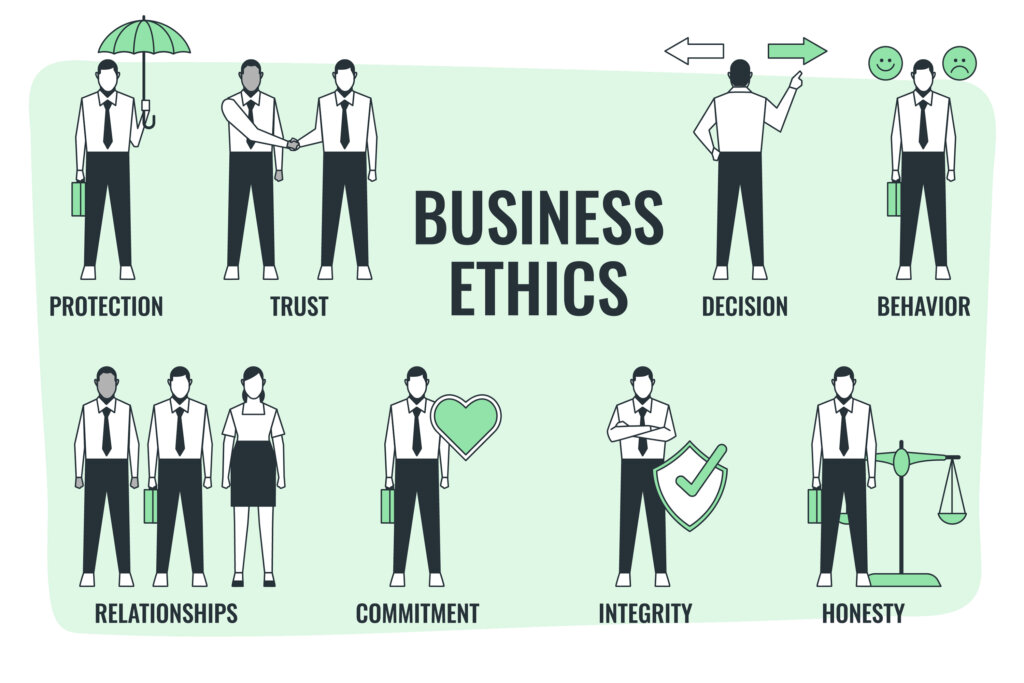
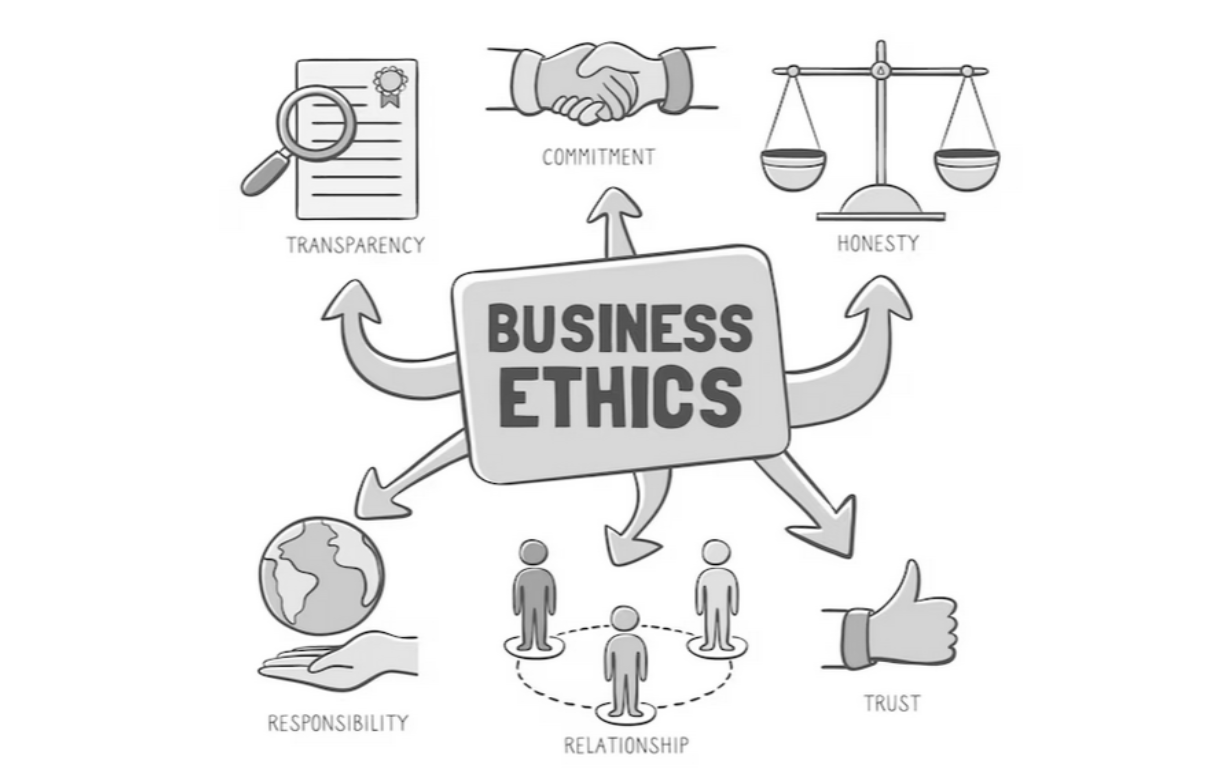
Customers are now often looking to buy from companies that kind of mirror their own values. So, fair labor practices, sustainable sourcing, and transparent data use aren’t really “just a bonus” anymore; they’re expected. Ethical business conduct—sort of threaded through vendor selection plus supply chain management—signals to customers that a brand’s promises go beyond, like, the balance sheet.
Pretty much, in plain terms: compliance and customer trust feed into each other. The more rigorous the company is about compliance, the more trust it tends to build, and the more that trust turns into loyalty, word-of-mouth referrals, and steadier long-term revenue.
The Cost of Getting Compliance Wrong
It’s tempting to see corporate compliance as just a cost centre, something to minimize, not actually to invest in. Yet the numbers sort of say otherwise. Regulatory fines are only the most visible expense. The quieter costs — like customers slipping away, a reputation taking a hit, partnerships that stall, and delays in entering the market — can end up being way more expensive in the long run, even if nobody notices them at first.
Companies that treat regulatory compliance as an afterthought usually learn it the hard way: during an audit failure, after a public breach, or when an enterprise contract disappears because the certifications were never in place. On the other hand, organisations that build ethical business practices into their core from day one tend to dodge these problems—and they often reach the market sooner because the groundwork is already in place.
This is exactly where a clear compliance strategy starts paying for itself. Instead of scrambling to react whenever new regulations pop up, a well-designed business compliance strategy anticipates those changes early and puts the company in a position to be a trusted, forward-thinking player in its field.
Compliance Best Practices That Build Lasting Trust
These aren't abstract ideals; they're operational habits. Companies that embed these compliance best practices into daily workflows consistently outperform competitors who treat compliance as an annual scramble, and it shows up directly in stronger client relationships over time.
So what does it actually look like when a company gets this right? Based on our work at Sheen Consultancy, these are the compliance best practices we see separating industry leaders from the rest:
- Make transparency visible. Don't bury your privacy policy in fine print. Display trust seals, certifications, and plain-language explanations of how customer data is used directly on your website and in your onboarding flow. This alone can transform trust from an assumption into something visibly earned.
- Automate what you can. Manual oversight doesn't scale. Automating data requests, consent tracking, and audit trails reduces human error and frees your team to focus on higher-value work.
- Train customer-facing teams. Support and sales teams should understand compliance well enough to explain it confidently. When a customer asks how their data is protected, hesitation erodes trust instantly.
- Treat vendors as an extension of your own standards. Your supply chain's ethical business practices reflect on your brand. Vetting vendors for compliance and sustainability protects your reputation as much as your own internal policies do.
- Review and update regularly. Compliance isn't a one-time achievement. Laws evolve, and your compliance best practices need to evolve with them — ideally before a regulator or a customer notices you've fallen behind.
Building a Business Compliance Strategy That Scales
A one-off audit or a single certification won't sustain long-term loyalty. What businesses need is a durable, adaptable strategy — one that grows alongside the company and adjusts to new markets, new regulations, and new customer expectations.
When these elements work together, compliance stops being a hurdle and becomes a genuine differentiator — one that customers notice and reward with deeper customer trust and lasting loyalty.
A strong compliance framework typically includes the following:
- A clear ownership structure — someone (or a team) accountable for compliance management across departments, not just legal.
- Integrated technology — tools that make compliance part of everyday operations rather than a separate, dreaded process.
- Customer-facing communication — proactively sharing how policies protect people, not just quietly meeting the minimum legal bar.
- Continuous training — ensuring every employee, from engineering support, understands their role in maintaining ethical business practices.
- Regular external validation — third-party audits and certifications that give customers independent proof your claims hold up.
How Sheen Consultancy Helps Businesses Get This Right
This is kind of exactly the work Sheen Consultancy is about; we specialize in helping organizations move beyond just the checkbox-style compliance and also build systems that actually strengthen client confidence plus brand credibility. Whether you are moving into a brand new regulated market, prepping for a certification like SOC2, or even trying to modernize those outdated processes, Sheen Consultancy brings the frameworks, the know-how, and the hands-on support to make it real.
Our approach mixes regulatory knowledge with practical business sense. We do not just tell you what the law needs; we help you translate it into ethical business practices and day-to-day habits that build genuine, long-lasting client trust. From compliance audits to full business compliance strategy design, Sheen Consultancy stays with you through every phase, and every engagement is guided by the same principles we’ve laid out here.
FAQs About Ethical Business Practices
1. What's the difference between compliance and just following the law?
Following the law is the minimum requirement — it keeps you out of legal trouble. A genuine compliance program goes further, building internal processes, training, and documentation that make good practices repeatable, auditable, and visible to the people who rely on you, including customers and partners.
2. How does compliance actually influence whether customers stay loyal?
People notice when a company handles their data carefully, communicates clearly about privacy, and holds itself to recognized standards. That visible discipline reassures them that their information and interests are protected, and reassurance is a major driver of repeat business and referrals.
3. Which certifications should a growing business prioritise first?
It depends on your industry and customer base, but SOC2 and GDPR alignment are common starting points for companies handling sensitive data, especially if you serve enterprise clients or operate across multiple regions. Sheen Consultancy can help assess which frameworks matter most for your specific situation.
4. Isn't compliance mainly a legal or IT responsibility?
Not anymore. While legal and IT teams handle key pieces, the strongest outcomes happen when support, sales, and leadership all understand the basics well enough to explain them confidently to customers. Treating it as a cross-functional effort, rather than a siloed one, is what makes it stick.
5. How often should a company review its policies and processes?
At minimum, once a year—but ideally on a rolling basis as regulations, vendors, and internal systems change. Waiting for an annual audit to catch problems means you're often a step behind; regular reviews keep you ahead of both regulators and customer expectations.
Final Thoughts: Ethical business practices
Compliance isn’t only about dodging penalties anymore. It’s also about showing your customers, employees, and partners that your organization runs with integrity, even when nobody is watching. Organizations that truly get this—the ones who make compliance and customer trust feel like their real core identity—build a reputation that survives any single product launch or campaign. And they manage it by putting those principles in play at every step, across the whole organization.
If your organization is prepared to shift business compliance from “just a burden” into an advantage you can actually compete with, Sheen Consultancy is here to help. Contact us today and let’s explore how we can shape a business compliance strategy that holds up while also strengthening your compliance program and deepening the customer trust your customers rely on
Need Help with Compliance?
Let our experts guide you through the certification process.
Contact Us Today
About the Author
Arsh Mohammad
Founder & CEO
15+ Years ExperienceVisionary leader with 15+ years in regulatory compliance, driving innovation and excellence in BIS certifications across India's industrial landscape.