Vendor Compliance Management: Keeping Third-Party Partners Accountable
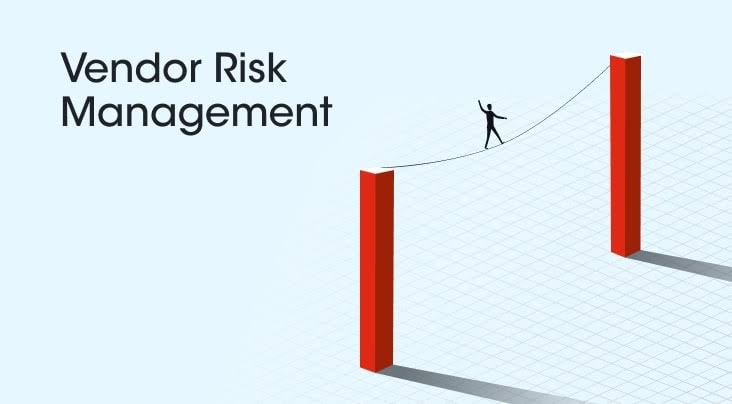
A Practical Guide to Third-Party Vendor Compliance
Picture this. Your payroll provider gets hacked, and your employees' bank details leak. Or a logistics partner cuts corners on a safety rule, and your company name ends up in the news. You didn't make the mistake, but you're the one answering to regulators and customers.
That's the reality of working with outside suppliers. This guide walks you through vendor compliance management in plain terms: what it is, what a good program includes, and how to start without burying your team in paperwork.
What Is Third-Party Vendor Compliance?
Vendor compliance management means making sure the suppliers you work with follow the laws, contract terms, and internal rules that apply to your business. It covers the full relationship, from choosing a vendor to onboarding, day-to-day oversight, and the day you part ways.
Three kinds of compliance usually come into play:
- Regulatory compliance: laws that reach your suppliers, such as data protection or financial rules
- Contractual compliance: what you agreed in writing, like service levels, security controls, and breach notification
- Internal compliance: your own policies, such as a supplier code of conduct
Vendor Risk Management vs. Third-Party Risk Management
Third-party risk management is the bigger umbrella. It covers every outside party, not just vendors: contractors, agents, partners, and more. Many companies run everything under one third-party risk management framework. Vendor risk management handles the scoring, while supplier compliance management handles the evidence, contract obligations, and audit readiness. In short, compliance is what gives you something to show an auditor.
These terms get mixed up a lot. Here's a simple way to tell them apart.
|
Term |
The question it answers |
Focus |
|
Vendor management |
Are we getting value from this supplier? |
Performance, cost, relationship |
|
Vendor risk management |
What could go wrong with this supplier? |
Spotting and reducing risk |
|
Compliance |
Is this supplier following the rules we must follow? |
Laws, contracts, policies, proof |
Why Supplier Compliance Management Matters
1. Regulators hold you responsible for your vendors. You can hand over the work, but not the accountability. Morgan Stanley is a widely cited example. It hired a vendor to decommission data center equipment, and devices holding client data were later resold. The bank was reported to have paid well over $100 million in penalties and settlements, partly for weak vendor oversight. (Check the current figures against the regulators' original notices before you quote them.)
2. One weak supplier can open the door to your whole business. A vendor with loose access controls, unpatched systems, or untrained staff can become the way attackers get to your data.
3. Fraud often travels through the supplier base. Fake invoices, changed bank details, and collusion with insiders are all well-documented schemes.
4. It keeps you running. If a critical supplier fails, a documented backup plan means your operations don't stop with them.
5. It makes audits calmer. Good supplier compliance management keeps your evidence organized and current, so an audit feels like a routine review instead of a fire drill.
Regulations That Shape Vendor Risk Management
Rules like these are why third-party risk management has become a board-level topic. Treat this table as a starting point, not legal advice, and confirm your obligations with qualified counsel.
Which laws apply depends on your industry and location. These are some of the most common:
|
Regulation |
Who it affects |
What it means for vendors |
|
GDPR |
Organizations handling personal data of people in the EU |
Vendors processing that data need a data processing agreement and proper safeguards |
|
HIPAA |
US healthcare providers and their business associates |
Vendors handling patient data need a business associate agreement |
|
SOX |
US public companies |
Vendors that affect financial reporting may fall under internal control reviews |
|
DORA |
Financial entities operating in the EU |
Strict oversight and contract rules for ICT service providers |
The Building Blocks of a Vendor Compliance Management Program
A solid third-party vendor compliance program rests on seven building blocks. Here they are, in the order you'll usually tackle them.
1. Governance and Ownership in Supplier Compliance Management
Every program needs a named owner. Procurement, legal, security, privacy, finance, and the business teams all have a role, but someone has to make the final call when priorities clash. Without that person, supplier compliance management slips through the cracks.
2. Vendor Risk Management Through Risk Tiering
Not every vendor needs the same level of scrutiny, and trying to give them all equal attention will exhaust your team. Sort suppliers by the data they touch, how critical their service is, and how much money or reputation is at stake. Then use a supplier risk assessment to place each one in a tier.
|
Tier |
Example |
Review depth |
Typical review frequency |
|
Critical |
Core cloud platform, payment processor |
Full assessment, evidence review, audit |
At least yearly, plus after major events |
|
High |
Payroll provider, CRM vendor |
Detailed questionnaire and certifications |
Yearly |
|
Medium |
Marketing agency with limited data access |
Standard questionnaire |
Every 1–2 years |
|
Low |
Office supplies |
Basic onboarding checks |
At onboarding or when something changes |
3. Vendor Due Diligence Before You Sign
Look closely at a supplier's finances, security practices, privacy controls, continuity plans, ethics record, and sanctions exposure before you sign anything. Ask for a questionnaire, but also ask for proof: certifications, policies, test results. A structured supplier risk assessment turns those answers into scores, so every vendor gets judged the same way. Reference checks and a quick search of public records add useful context.
4. Contracts for Third-Party Vendor Compliance
A contract is where third-party vendor compliance becomes enforceable because it turns expectations into obligations. Look for these clauses:
- Compliance with applicable laws and your code of conduct
- Audit and inspection rights
- Security and data protection requirements
- Breach notification timelines
- Approval and flow-down rules for subcontractors
- Service levels and reporting duties
- Data return or deletion when the contract ends
- Termination rights and exit support
5. Vendor Compliance Monitoring After Signing
Vendor compliance monitoring doesn't end at signing. Things change: a vendor gets acquired, loses a certification, or suffers a breach. Build a routine that includes:
- Regular attestations and certificate renewals
- Tracking of performance and incidents
- News and external risk alerts about the vendor
- Extra reviews triggered by events like a breach, an ownership change, or a new subcontractor
6. Issue Management in Vendor Compliance Management
This is where vendor compliance management turns findings into fixes. Every gap gets logged, assigned to an owner, given a deadline, and tracked until it's closed. Decide your escalation steps in advance, so nobody is improvising when a vendor refuses to fix something.
7. Offboarding in Third-Party Risk Management
Offboarding is the step many programs forget. Cut off system access, collect assets, confirm that data has been returned or securely deleted, and document the handover. Skipped offboarding leaves old accounts and leftover data sitting around as risk, which is exactly what third-party risk management is meant to prevent.
Vendor Compliance Checklist
Use this vendor compliance checklist as a starting template.
Before onboarding
- [ ] Vendor placed in a risk tier
- [ ] Due diligence questionnaire completed
- [ ] Security and privacy evidence reviewed
- [ ] Financial and reputation checks done
- [ ] Sanctions and exclusion screening completed where relevant
Contracting
- [ ] Compliance, audit, and security clauses included
- [ ] Breach notification timeline defined
- [ ] Subcontractor rules agreed
- [ ] Data handling and exit terms documented
During the relationship
- [ ] KPIs and KRIs defined and tracked
- [ ] Attestations and certificates refreshed on schedule
- [ ] Review cadence set by tier
- [ ] Issues logged with owners and due dates
At exit
- [ ] Access revoked
- [ ] Assets returned
- [ ] Data returned or deleted, with confirmation
- [ ] Final records archived
Vendor Compliance Best Practices
These vendor compliance best practices keep your program effective without making it heavy:
- Start with risk. Put most of your effort into critical and high-tier vendors.
- Standardize your templates. One questionnaire, one clause library, one scorecard.
- Keep evidence in one place. If you can't find the proof, you can't show compliance.
- Tie checks to procurement. Finish reviews before the purchase order goes out, not after go-live.
- Give every finding an owner and a deadline.
- Review on a schedule and after events. Breaches, ownership changes, and new subcontractors all deserve a fresh look.
- Set expectations early. Share your policies, reporting needs, and escalation paths during onboarding.
- Automate the routine. Once volume grows, use reminders and workflows for expiring certificates and overdue reviews.
Metrics for Vendor Compliance Monitoring
A simple dashboard makes these numbers easy to read at a glance, and it feeds directly into your third-party risk management reporting. One bad month matters less than a pattern.
Track both performance indicators (KPIs) and risk indicators (KRIs):
- Vendor compliance rate: the share of a vendor's deliveries or activities that meet your standards (compliant items ÷ total items × 100)
- On-time delivery rate
- Defect or error rate
- Open findings and how long they've been open
- Missed attestations or expired certificates
- Number of security or compliance incidents
- Time to fix issues
Common Mistakes in Third-Party Vendor Compliance
- Treating every vendor the same. You overspend effort on low-risk suppliers and under-review the critical ones.
- Doing due diligence once and never again. Vendors change, and your oversight has to keep up.
- Trusting questionnaires alone. Answers need evidence behind them.
- Keeping records in scattered inboxes and folders. Weak supplier compliance management usually shows up as proof nobody can find when the auditor asks.
- Ignoring subcontractors. Your vendor's vendors can create risk too.
- Skipping offboarding. Old accounts and retained data linger as exposure.
- Letting a spreadsheet outgrow its job. A spreadsheet is fine for a small supplier base. Once you have dozens of vendors and several reviewers, look at dedicated software.
90-Day Plan to Start Vendor Compliance Management
Starting with your highest-risk suppliers gives you the most protection for the least effort.
Here's a realistic way to get a working program in three months:
- Days 1–30: Build a complete vendor inventory and name an owner. Run a supplier risk assessment on your top vendors and place them in tiers.
- Days 31–60: Review contracts for critical and high-tier vendors and close the biggest clause gaps. Refresh vendor due diligence for any supplier whose file is out of date.
- Days 61–90: Turn the template above into your own vendor compliance checklist. Set review schedules, build a simple scorecard, define your escalation process, and create an offboarding checklist.
FAQs on Vendor Compliance Management
1. What is vendor compliance?
It's the practice of making sure third-party suppliers follow applicable laws, your contract terms, and your internal policies across the whole vendor lifecycle.
2. What are the three types of compliance?
Regulatory (laws), contractual (agreements), and internal (your own policies).
3. What are vendor compliance best practices?
Prioritize by risk, standardize your templates, keep evidence in one place, give every finding an owner, and review on a schedule. The section above covers each one in more detail.
4. How often should vendors be audited or reviewed?
It depends on risk. Critical vendors are typically reviewed at least yearly and after major events, while low-risk vendors may only need an onboarding check.
5. How do you measure vendor compliance?
Use a scorecard that combines KPIs like on-time delivery and defect rates with risk indicators like open findings, incidents, and missed attestations.
6. What is the difference between vendor compliance and vendor risk management?
Risk management asks what could go wrong. Compliance asks whether the vendor is following the required rules and can prove it.
7. Do small businesses need a vendor compliance program?
Yes, though it can be lighter. Even a lightweight supplier compliance management routine, with a short inventory, a few key contract clauses, and a yearly review of your most important suppliers, cuts risk noticeably.
Conclusion: Make Vendor Compliance Management a Habit
You don't need a perfect program on day one. Know which vendors matter most, check them properly before you sign, put clear obligations in writing, and hold on to evidence you can show on demand. Do that consistently and get a little better each quarter, and your third-party risk management will be ahead of most companies.
Need Help with Compliance?
Let our experts guide you through the certification process.
Contact Us Today
About the Author
Arsh Mohammad
Founder & CEO
15+ Years ExperienceVisionary leader with 15+ years in regulatory compliance, driving innovation and excellence in BIS certifications across India's industrial landscape.
Related Articles
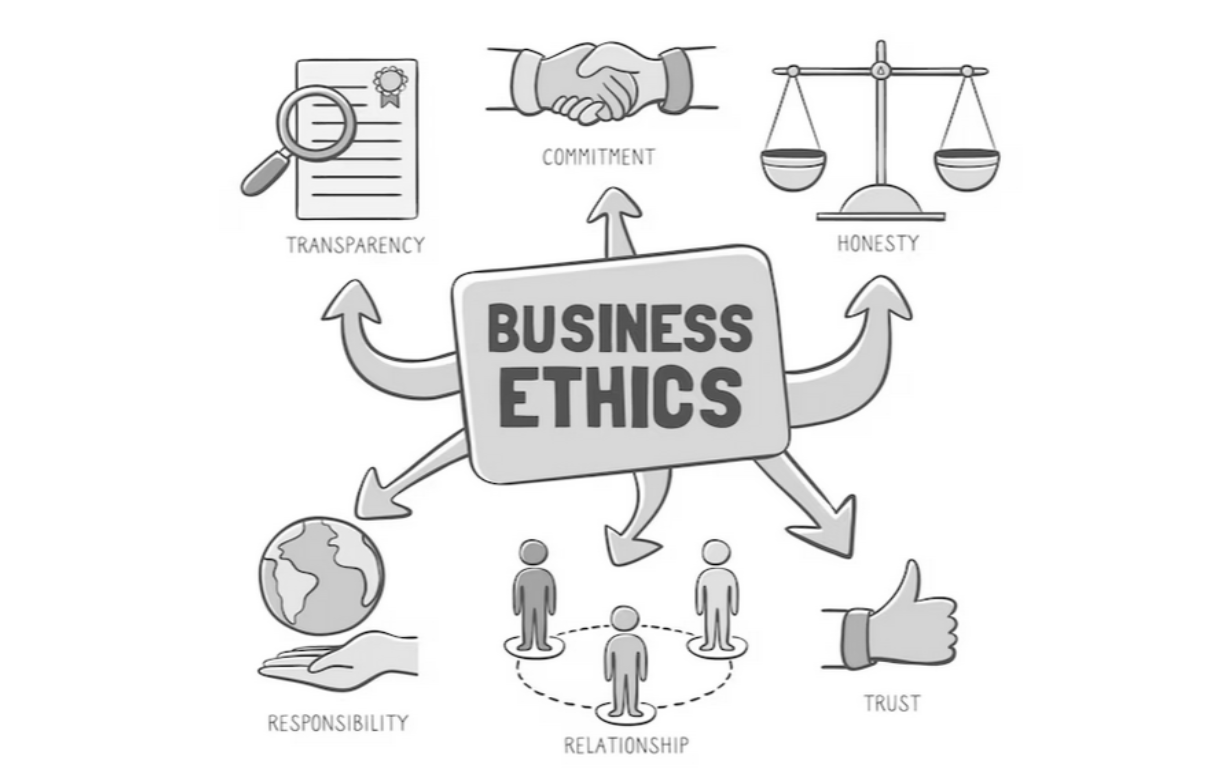
Business Reputation Starts with Trust: A Compliance Strategy Built on Ethical Business Practices
5 min read
Read More →
The Complete Audit Compliance Guide: How to Build an Audit-Ready Business
5 min read
Read More →
Understanding Corporate Compliance Risks and Legal Penalties
5 min read
Read More →